A counter-pressure bottling line for a brewery that’s outgrown filling by hand
There’s an awkward stage between a bottling wand and a proper line. You’re filling too many bottles to keep doing it by hand, losing beer and CO2 to the process, and ending up with fill levels and shelf life you can’t really stand behind. Then every quote for a counter-pressure filler comes back at a number that would take the year’s profit.
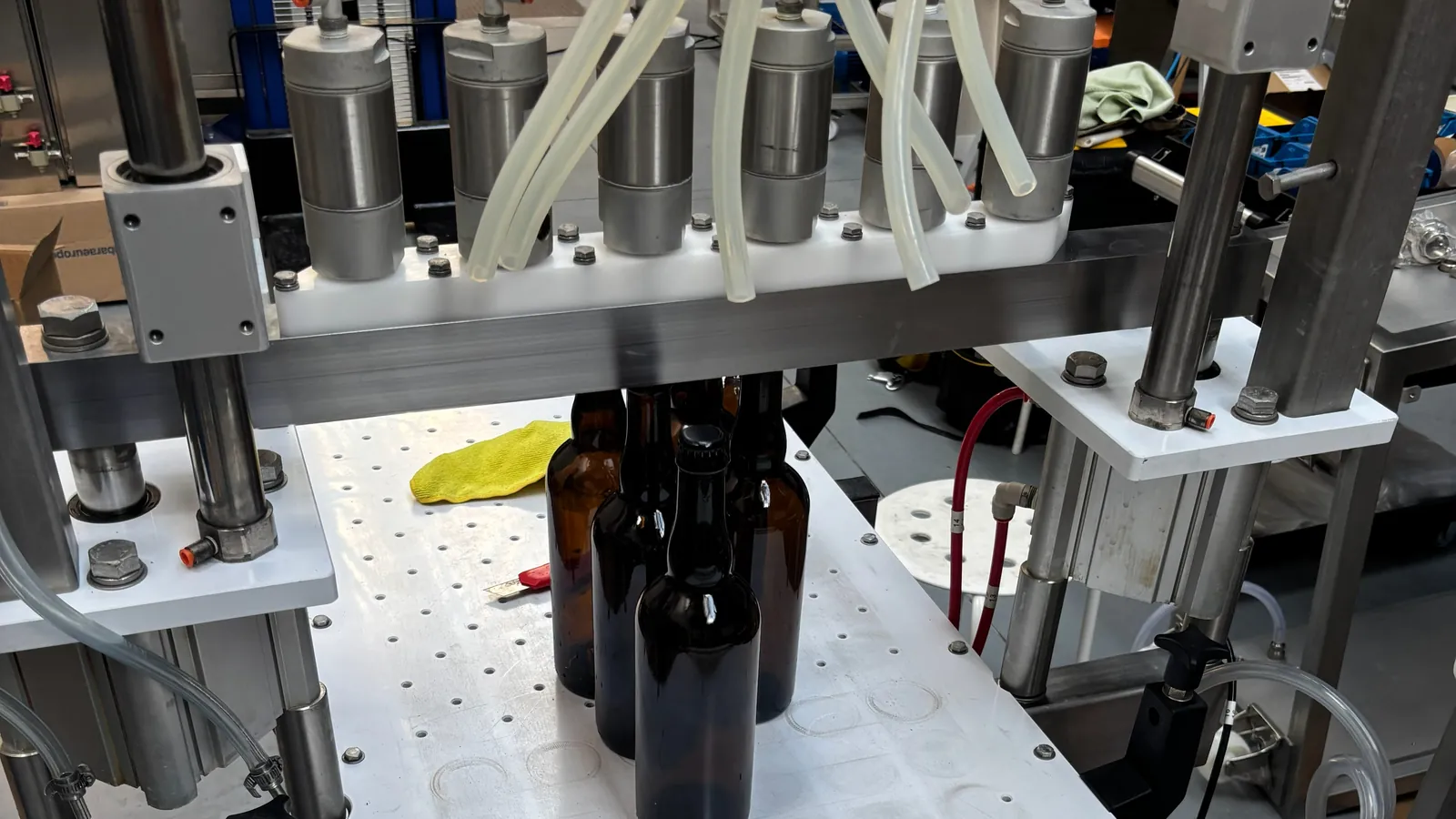
Roughly half what comparable new equipment costs
Because it isn’t new. That’s the whole trick and there’s nothing clever about it. We rebuild it, warrant it for 12 months and sell it direct.
A reconditioned counter-pressure machine
FromEUR 30,000
Up to roughly 2,160 bottles an hour, counter-pressure filled and crown capped. Rebuilt in Belgium, delivered across Europe, 12-month warranty, and a standing invitation to see it in the workshop.
Tell us what you need to bottleAdding a bottle format later
FromEUR 1,000
If the machine doesn’t currently run the bottle you need — 330ml, 500ml, 650ml or 750ml — that’s a format-change kit, quoted with the machine so it arrives ready rather than nearly ready.
Format-change kitsParts held in the EU
Shipped DAP. No transatlantic freight, no import paperwork, and VAT handled as a domestic transaction.
12-month warranty
On every part we supply, with the exclusions written down rather than buried.
We were owners first
We bought a Meheen before we ever worked on anybody else’s. Every machine we touch gets written up.
The difference isn’t speed. It’s what ends up in the bottle.
Which is the part worth understanding if you’re filling with a wand or a gravity filler now.
Counter-pressure means the bottle is pressurised with CO2 before the beer goes in, so the beer never sees a pressure drop. That’s what stops it foaming, stops it losing carbonation into the headspace, and keeps oxygen out. Oxygen pickup at fill is the biggest single factor in whether your beer tastes the way you made it three months later on somebody else’s shelf.
In practice: consistent fill levels, carbonation that matches what left the tank, much better shelf life, less product lost, and a bottling day that takes hours rather than days.
“Isobaric” is the same thing under another name. Italian and French suppliers tend to use it; English-speaking ones tend to say counter-pressure.
Three of these rows matter more than the others
The footprint. Roughly 1.7 by 1.1 metres. It fits in a brewery that doesn’t have a hall. Measure your space, and your doorways, before you fall in love with something bigger.
The closure. Crown cap, in either size. It doesn’t cork and it doesn’t cage, and no amount of money changes that. Better to know now.
No motors, gears or bearings in the fill section. This is why a used machine of this type is a reasonable purchase rather than a gamble on somebody else’s wear. What wears is seals and valve components, which are consumables with replacements.
| Output | 10–36 bottles/min · up to about 2,160 bottles an hour |
|---|---|
| Configurations | 2, 4 or 6 filling heads |
| Operation | Pneumatic counter-pressure |
| Closure | 26 mm or 29 mm crown cap. No cork, no cage |
| Bottle diameter | 53–76 mm, which covers most standard European formats |
| Footprint | about 1680 × 1070 mm |
| Services | about 15 cfm at 90 psi (25 m³/h at 6.2 bar) compressed air, dry and filtered, plus CO2 |
| Fill section | No motors, gears or bearings |
Meheen machines were built in Colorado and went to small and mid-size breweries for decades. They’re counter-pressure bottling machines: well regarded, mechanically simple, and there are a lot of them in service.
It’s a very good machine and it’s the most compact thing in its class, with dissolved oxygen and total package oxygen figures that hold up against equipment costing a great deal more.
We’re specialists in Europe who buy these machines used, rebuild them and support them here. We started out as owners rather than dealers, which is a longer story.
You don’t need to have heard of Meheen for this to be a good machine. You do need to know somebody on your continent can service it, and that’s the part we’re for.
Their real advantage first, then ours
Buying new from a European manufacturer
There are new machines in this class and new has genuine advantages. Full manufacturer’s warranty, current documentation, nothing carried over from a previous owner, and an unambiguous conformity position from day one. If those matter more to you than the money, buy new. We’re not going to argue you out of it.
Worth noting that the price usually isn’t published, so you can’t compare until you’re inside a sales process. And in this class the mechanical simplicity that makes these machines last also means a well-rebuilt one sits much closer to a new one than it would in a category full of motors and bearings.
Buying from a domestic dealer
If there’s a good used-equipment dealer in your own country, that’s a real advantage and we won’t pretend otherwise. Domestic service, domestic language, domestic freight, somebody who can be at your site tomorrow.
What we’d put against it: a published starting price, a machine that’s already rebuilt rather than queued, and a specialist rather than a generalist. We only work on one make of machine.
Buying used from a general machinery dealer
Cheapest option, and the one that goes wrong most often. A general dealer sells you a machine. They don’t rebuild it, they don’t know it, and they can’t help you six months later. The reason to buy from a specialist isn’t the machine — it’s what happens when a seal fails and you need somebody who knows what they’re looking at.
A Meheen is a crown-cap machine. It doesn’t cork and it doesn’t cage, and no kit changes that. What it will do is run either crown size, 26 mm or 29 mm.
We restore what the machine does. We don’t change its function, and we don’t add or re-issue any CE certification.
Fair question, and it deserves an answer rather than reassurance
It’s mad if you can’t see it, can’t verify it and have no recourse. So we took those three things away, and published how.
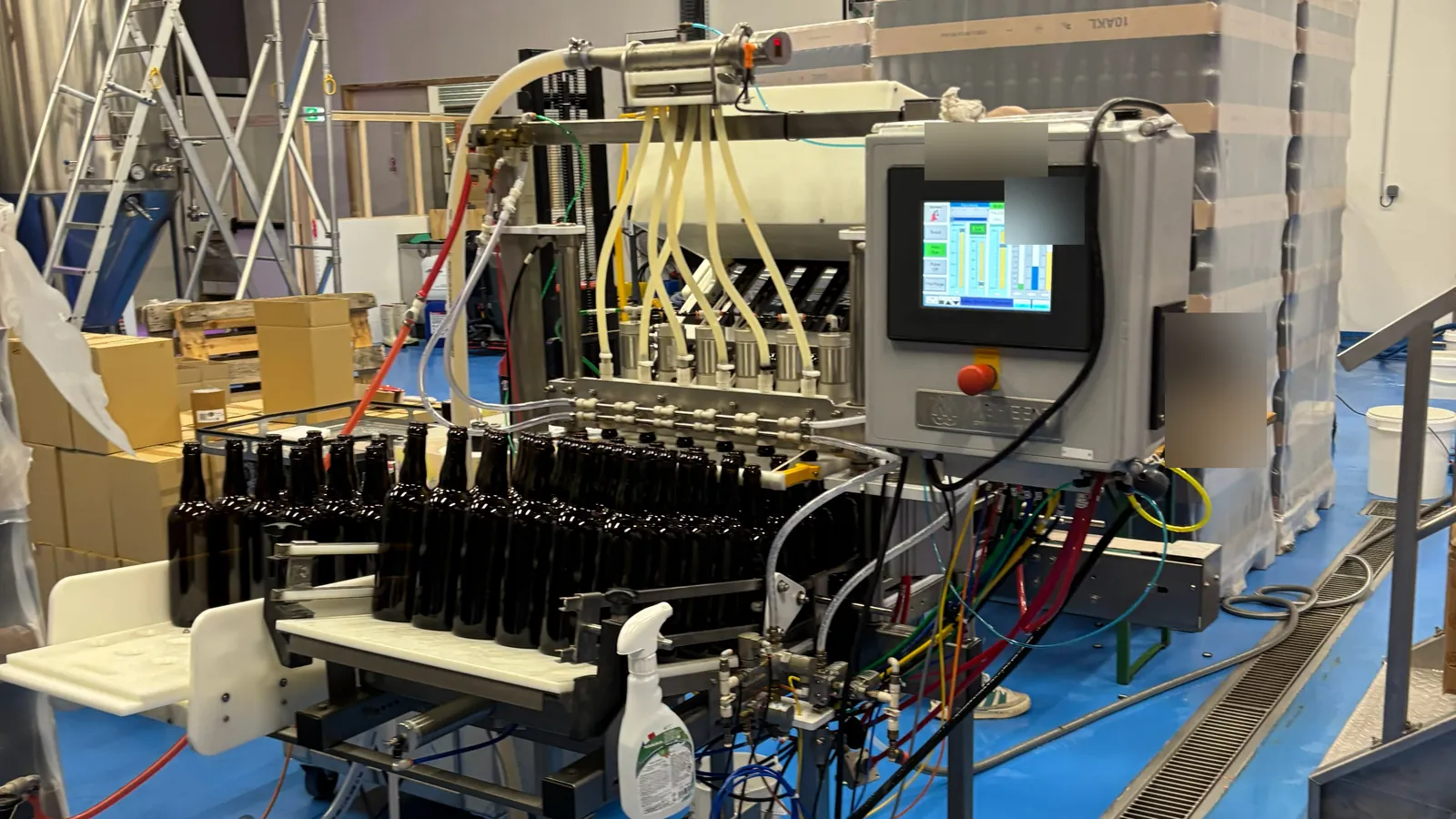
- Come to Belgium and watch it run.
- Can’t travel? We film it and send you the footage.
- Clear payment terms, written into the quotation.
- 12-month warranty on every part we supply, with the exclusions written down rather than buried.
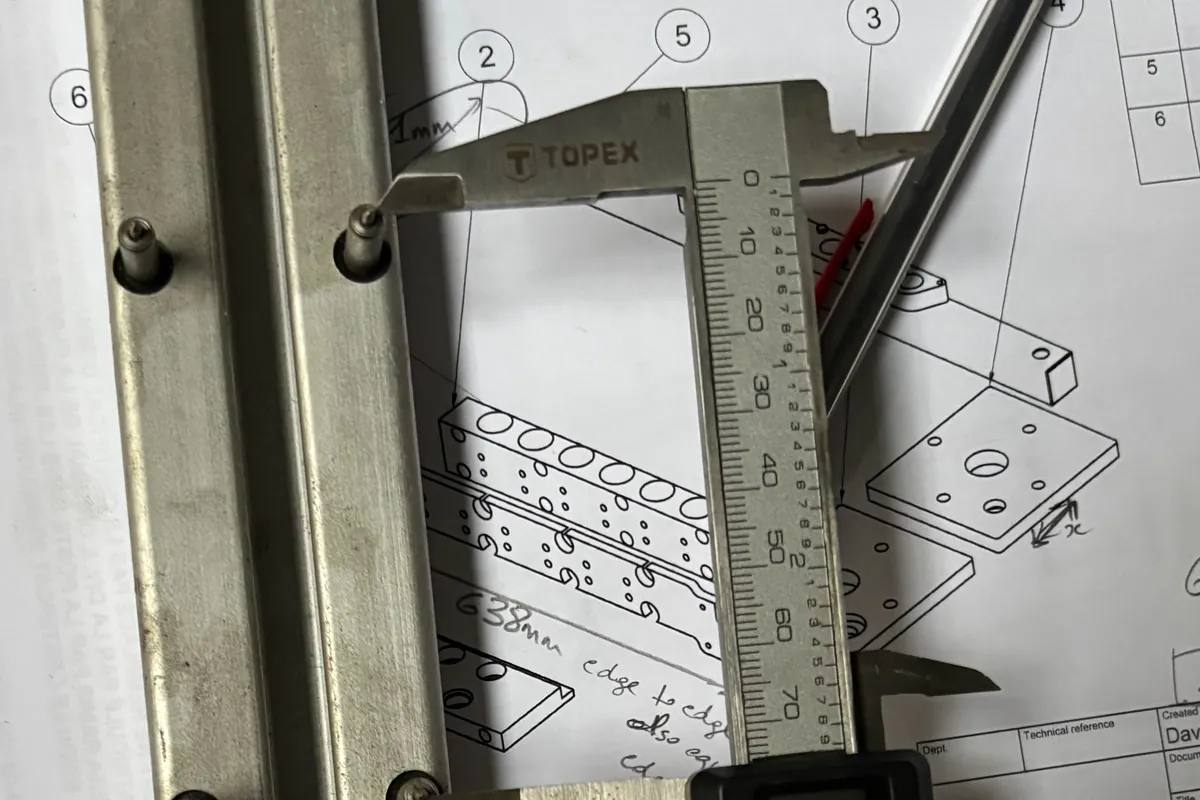
- Written up against the serial number of the actual machine.
- A published page on what happens if it turns up wrong, because that’s the scenario you’re actually worried about.
We’re new as a business and we’re not claiming a track record we haven’t earned. What we can do instead is show the working.
Bottle formats
53 to 76 mm in diameter, which covers most standard European formats, crown capped in either size. If you need something the machine doesn’t currently run — 330ml, 500ml, 650ml or 750ml — that’s a format-change kit from EUR 1,000, and it can be quoted with the machine so it arrives ready rather than nearly ready. 33cl and 330ml are one kit, not two.
What you’ll need in the room
Space for roughly 1680 × 1070 mm. Compressed air at about 15 cfm at 90 psi (25 m³/h at 6.2 bar), dry and clean, through a dryer and a coalescing filter — that part isn’t optional, and wet or dirty air is the commonest cause of trouble on these machines. Plus CO2, power and drainage as you’d expect.
If you’re not sure your compressor’s up to it, say so. Better conversation to have before delivery than after.
Counter-pressure bottle filler or hand filling?
A counter-pressure bottle filler, also called an isobaric filler, pressurises each bottle with CO2 before the beer goes in, then fills against that pressure. The beer keeps its carbonation and foams far less than from a tap or a hand-held filler.
Hand filling works for a few cases a week. A multi-head beer bottle filler starts to make sense when bottling takes up most of a brew day.
A used bottling line, or a new one?
A used beer bottle filler costs a fraction of a new bottling line, but only if it arrives working. Every machine we sell is reconditioned in our workshop in Belgium, and every part we supply carries 12 months’ warranty.
Need a different bottle size from the one the machine was built for? That is what our format-change kits are for. See the reconditioned machines.
The ones worth answering before you write
What does a used counter-pressure bottling machine cost?
From EUR 30,000. Roughly half of comparable new equipment in this class.
How fast is it?
10–36 bottles a minute depending on configuration, up to about 2,160 an hour.
What’s the difference between isobaric and counter-pressure?
Nothing. Two names for the same principle.
Will it fit my brewery?
Roughly 1680 × 1070 mm. Measure the space and the doorways.
What do I need to run it?
Compressed air at about 15 cfm at 90 psi, dry and filtered, plus CO2. The air preparation matters more than people expect.
What closures does it do?
Crown caps, in 26 mm or 29 mm, and nothing else. No cork, no cage. If your product has to be corked and caged, this isn’t the machine for it and we’d rather say so now.
Can it run a bigger bottle?
With a format-change kit, usually, from EUR 1,000. Send us the bottle and we’ll check it against the specific machine, free.
Is it CE marked?
We restore what the machine does. We don’t change its function, and we don’t add or re-issue any CE certification. What that means for your installation and country gets gone through per machine before you buy, rather than claimed on a web page.
What warranty do I get?
12 months on every part we supply, with the exclusions set out plainly.
Can I see one before buying?
Yes, that’s the whole point. Workshop in Belgium, standing invitation, or photos and video if you can’t travel.
Who services it afterwards?
We do. Belgium, parts held in Europe, technical questions answered within 24 hours.
How does delivery work?
DAP anywhere in Europe, freight quoted with the machine, VAT handled as a domestic EU transaction.
Tell us what you need to bottle
Bottle format and volume, roughly how many a week, your country. No obligation. Answer within 24 hours.